About lasagne
Homemade lasagne… *swoon*. Name a more comforting dish than lasagne – I’ll wait. It’s the ultimate comfort food, featuring layers of slow-cooked beef ragu with velvety bechamel sauce, with ample amounts of grated cheese thrown in for maximum flavour heaven. There’s a bit of work required to achieve this classic Italian dish, but my recipe will guide you through the process with tips and tricks to guarantee success.
IMAGE
Like many pastas, everyone has their own variation of lasagne. I’m actually hesitant to order this dish from restaurants for this reason – that’s why I made my own version. And one of my proudest cooking moments to this day remains when my father-in-law, who famously will not eat a single bite of any type of pasta, consumed a whole portion of my lasagne and claimed it was delicious!
That’s probably in large part due to the hearty, slow-cooked beef ragu that I use as my filling, instead of the more traditional bolognese. You can, absolutely, use bolognese but the ragu adds more depth of flavour.
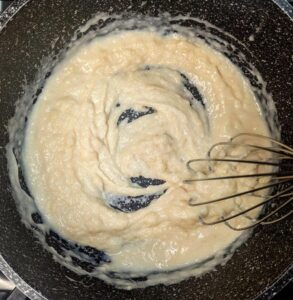
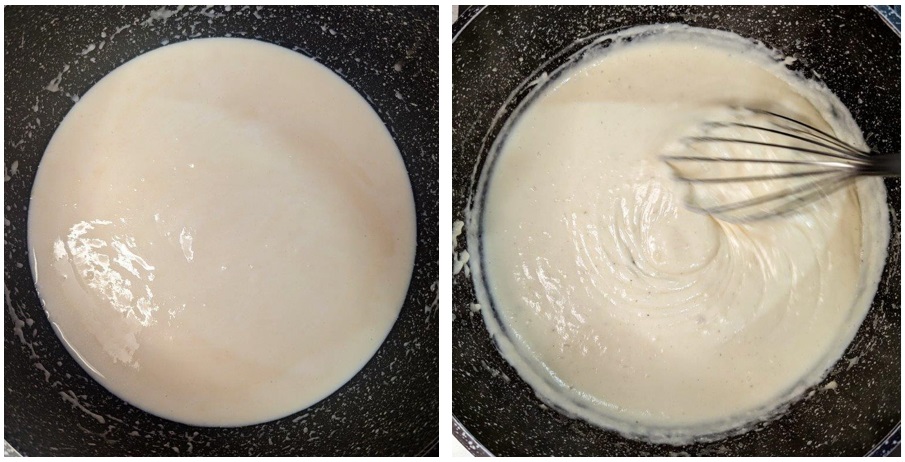
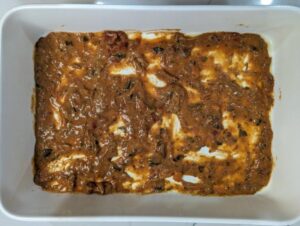
I use a traditional bechamel sauce, and the biggest game changer for me has been mixing the beef sauce and bechamel together before layering. Yes, I was sceptical the first time too! But realistically, the two sauces combine together with each bite so there’s no difference combining them ahead of time. The reason behind this choice was actually inspired by aesthetics; if you layer the sauces separately you end up with visually inconsistent sized layers which doesn’t impact the taste at all, but it bothered me for some reason. Plus, combining the sauces makes the whole layering process easier, so it’s win-win in my eyes.
Whether you’re a seasoned home cook or a beginner, this step-by-step guide will help you master the art of the perfect Italian lasagne.
Ingredients
Ingredients for lasagne
As usual, the quality of ingredients plays a hand in the result.
Substitutions
- Beef ragu– Substitute with the same amount of bolognese sauce, if you prefer.
- Bechamel – I prefer bechamel but some recipes use ricotta, so you can interchange them. I would still mix the ricotta into the ragu so the flavour is spread evenly, but you can also dollop the ricotta on top of the beef layers.
- Dried lasagne sheets – Definitely don’t use ‘fresh’ pasta sheets from a supermarket, but you can use homemade pasta sheets (made yourself, or from a reputable deli or gourmet store).
Omissions
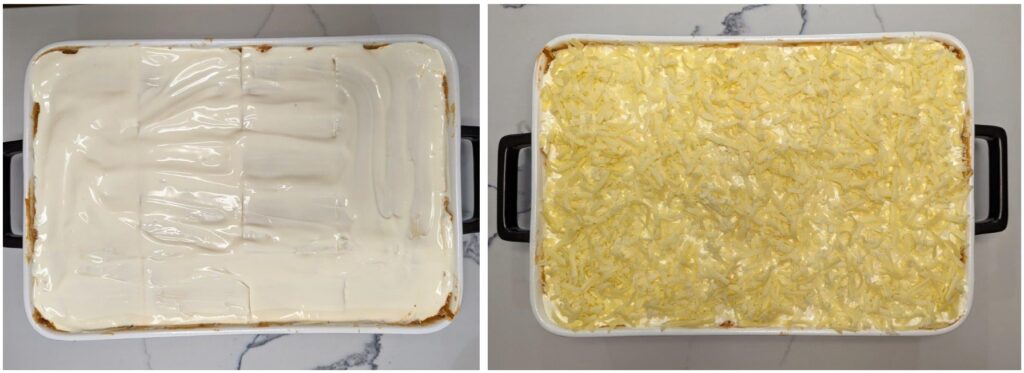
I really like the crème fraiche topping; it adds extra creaminess to the top layer. But you can omit it entirely or replace with a little bechamel (save a cup before mixing it into the ragu).
How to prepare lasagne
Lasagne isn’t hard per se, it’s just a lot of steps. Use these tips to make preparation and forming easier.
Easy preparation
There’s a reason the recipe links to the beef ragu sauce, rather than incorporate it – it’s much easier to cook the sauce ahead of time. In fact, because the sauce is slow-cooked, I would never actually make the sauce and the lasagne on the same day, though you could cook the sauce overnight. The ragu keeps well in the fridge once cooked, and can even be frozen and thawed when you want to make lasagne.
To make forming the lasagne even easier, grate the cheeses ahead of time and refrigerate until needed. But make the bechamel only when you need it, as it doesn’t reheat or keep well.
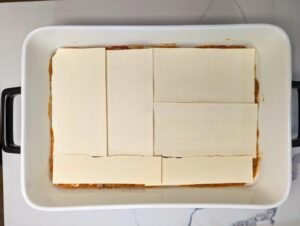
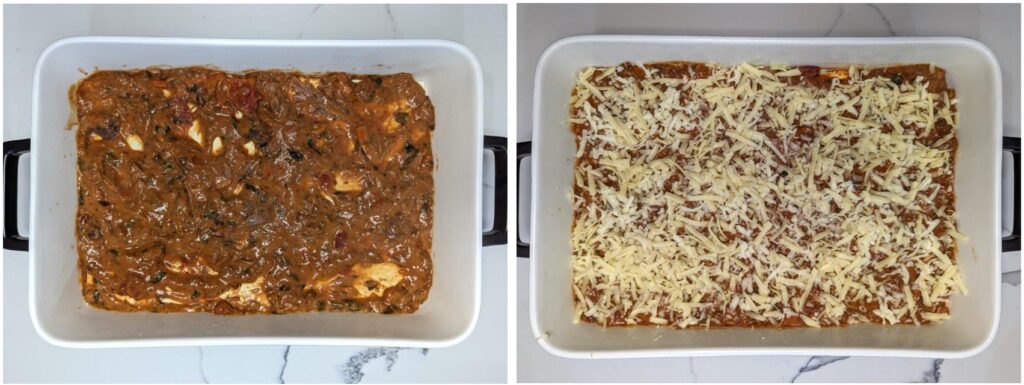
To make forming the lasagne easier, mix the ragu and bechamel together. And set up a ‘forming station’ with everything you need: pasta sheets, a chopping board and a bread knife; grated cheeses; ragu and bechamel mix and a scoop.
Equipment
You’ll need a ‘lasagne dish’ or a deep baking dish. The lasagne dish I use is 34cm x 23cm and 7cm high (13 x 9 inches and 2.75 inches high), and the quantities specified suit this sized dish (if you’re adjusting the servings or using a different sized dish, be conscious of ingredient quantities).
Tips for the best lasagne
- Slow cook the beef ragu the day or night before, so on the day you only need to worry about forming the lasagne.
- Don’t use ‘fresh’ pasta sheets from the supermarket; quality may vary, but the ones I tested lacked texture and the whole lasagne tasted a little soupy as a result. You can use fresh pasta sheets if bought from a reputable deli or gourmet store, but the dried sheets work perfectly.
- For maximum flavour, buy blocks of good quality cheese and grate them yourself.
- For ease, I tend to use pre-grated mozzarella, but if you buy a ball pop it in the freezer for 10–15 minutes before grating it.
- Use full cream milk since it’s the key flavour in the bechamel sauce, and only add a little at a time (especially at first) to avoid lumps.
- Mixing the ragu and bechamel together makes the layering process much easier.
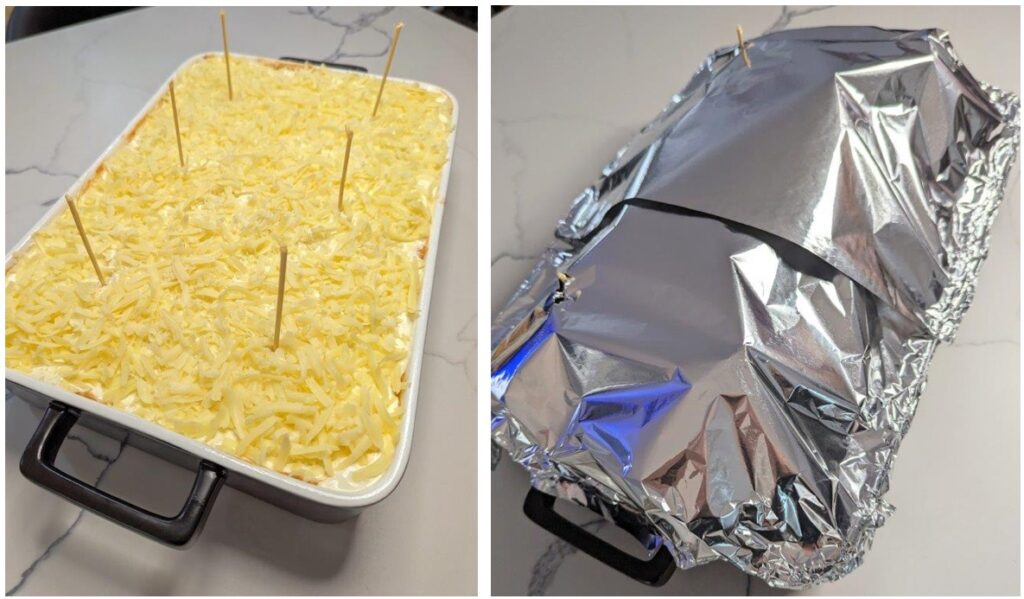
- Use wooden skewers to tent the foil so it’s not touching the top of the lasagne, otherwise the foil will pull off the melted cheese top.
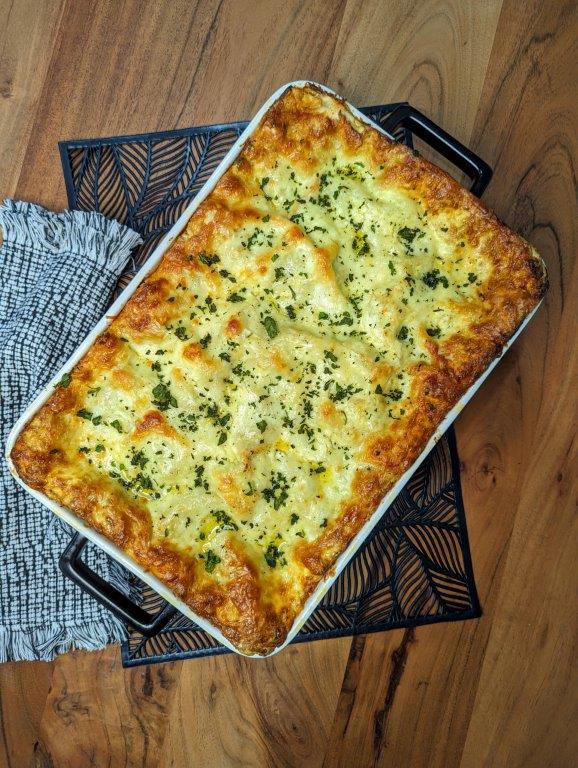
- After baking, let the lasagne sit for at least 10 minutes before serving. I know it’s hard! It looks and smells delicious and you just want to tuck straight in. But, if you attempt to cut slices of lasagne immediately you’re going to end up with a sloppy mess (plus, it will be piping hot). It needs time to settle and cool slightly so you can cut distinct slices.
Make sure you also read and follow the tips in the recipe, for guaranteed success.
Reheating lasagne
Lasagne can actually be formed ahead of time and then stored in the fridge (or freezer) until you’re ready to cook it. If refrigerated, remove an hour before you intend to start baking. If frozen, take out a day or two ahead and let it thaw completely in the refrigerator.
Once cooked, leftover lasagne keeps well in the fridge for up to 5 days.
To reheat: The problem you’ll encounter when reheating lasagne is that, no matter the method, the outside will reheat quickly while the inside remains cold. The easiest way to counteract this is to cut each lasagne serving into quarters before reheating, that way the inside can warm through too.
- Microwave: The quickest and easiest method, but you definitely need to cut the slice into quarters first. The lasagne will also appear to ‘melt’ a little when reheated in the microwave, so it’s not as visually appealing as when served fresh, but it’s no less delicious. Microwave until heated through evenly – in my microwave, this is about 3–4 minutes but it’ll depend on the power of your microwave and the size of the slice.
- Oven: If you’re really after aesthetics, you’ll need to reheat the lasagne in the oven on a lower temperature. I would recommend reheating individual slices rather than the whole tray. Optionally cut the slices into quarters (it will help with even cooking), and place them in oven-safe bowls. Add 1 tablespoon of water to the bowl, and optionally you can add 1/3 cup of ragu or Napoli sauce to the bowl as well (this is to prevent the lasagne from drying out). Tent the bowl with foil to keep in moisture, using toothpicks if necessary so the foil doesn’t touch the top cheese layer. Bake at 120°C / 250°F for 30–45 minutes.
With either method, to confirm the centre is hot enough, stick a fork into the lasagne for 5 seconds and then touch the fork to your tongue.
What to serve with lasagne
This lasagne is rich. Other than a nice glass of red wine, I generally don’t serve anything else with my lasagne so I can focus on and enjoy the luxurious flavours.
Though, the exception is when I’m serving this for guests! Then I will usually pair this with a simple side salad, and always with garlic bread – a classic Italian combo!
Similar recipes to lasagne
There’s nothing quite like lasagne… Obviously your beef ragu or bolognese sauce is similar since it’s the base of the dish. For something a little different and much quicker and easier, try to my bolognese soup.
You could also make a vegetarian lasagne with Napoli sauce and vegetables, or for extra indulgence – make a lasagne using duck ragu, and substitute the crème fraiche with mascarpone.
What wine to pair with lasagne
An Italian favourite deserves another Italian favourite – Sangiovese! Other medium-bodied red options include Merlot, Montepulciano or Cabernet blends. Because lasagne has such a range of flavours (from creamy and cheesy to meaty and savoury), almost all reds are going to pair well.